An Adarivo guide prepared with AI assistance and checked against source records. Share corrections and update suggestions through the contact page.
Getting to know kolokas
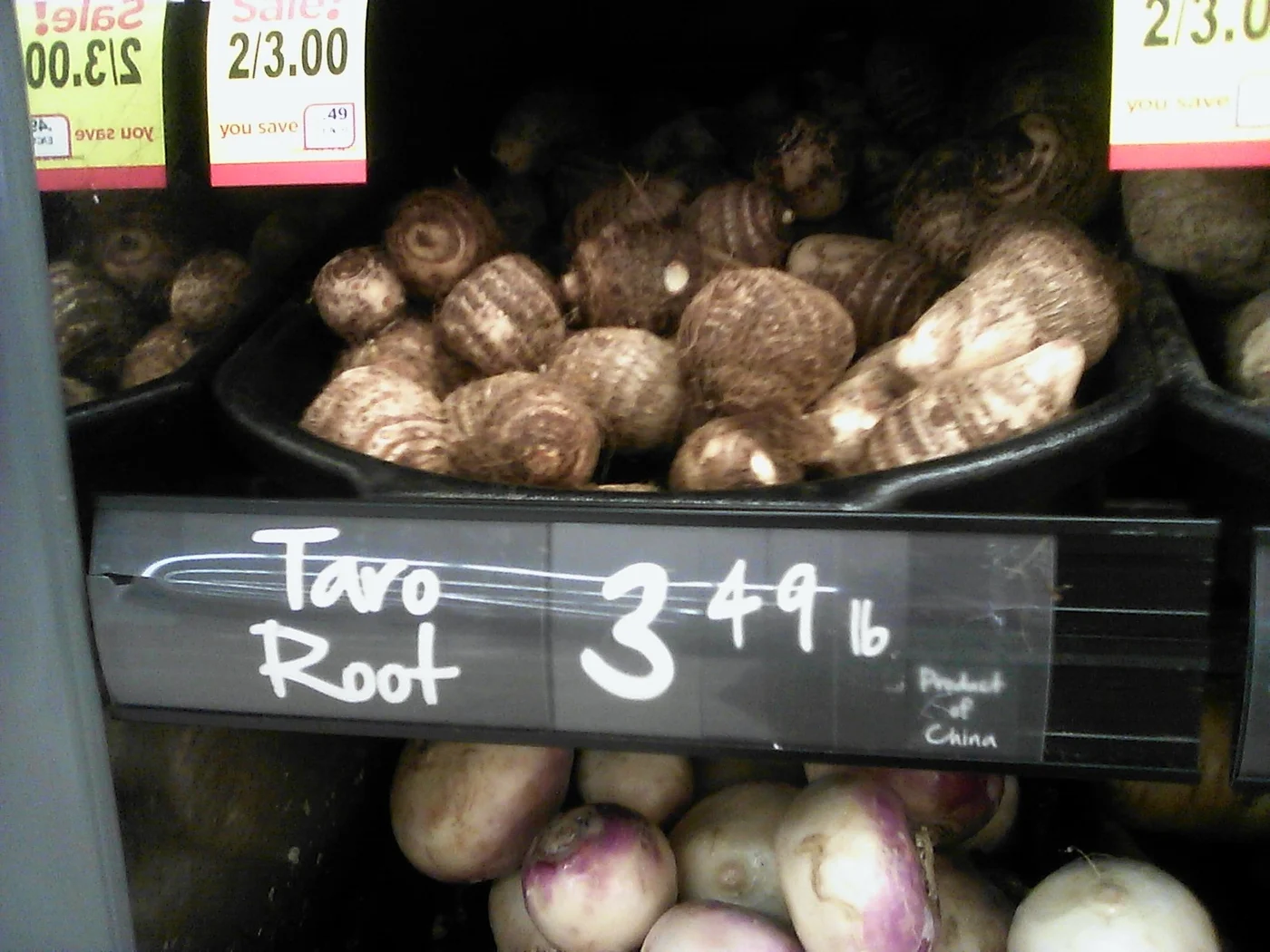
Kolokas appears in dishes using the edible tuber of Colocasia esculenta. Its cooked texture is starchy; comparisons with potato do not make it the same vegetable. Local preparations include tomato-based or meat dishes and combinations with pulses. Seeing kolokas on a menu does not alone establish a meat-free meal. Learning how the tuber is prepared is more useful than memorising its name.
The names ayrelli and gömeç
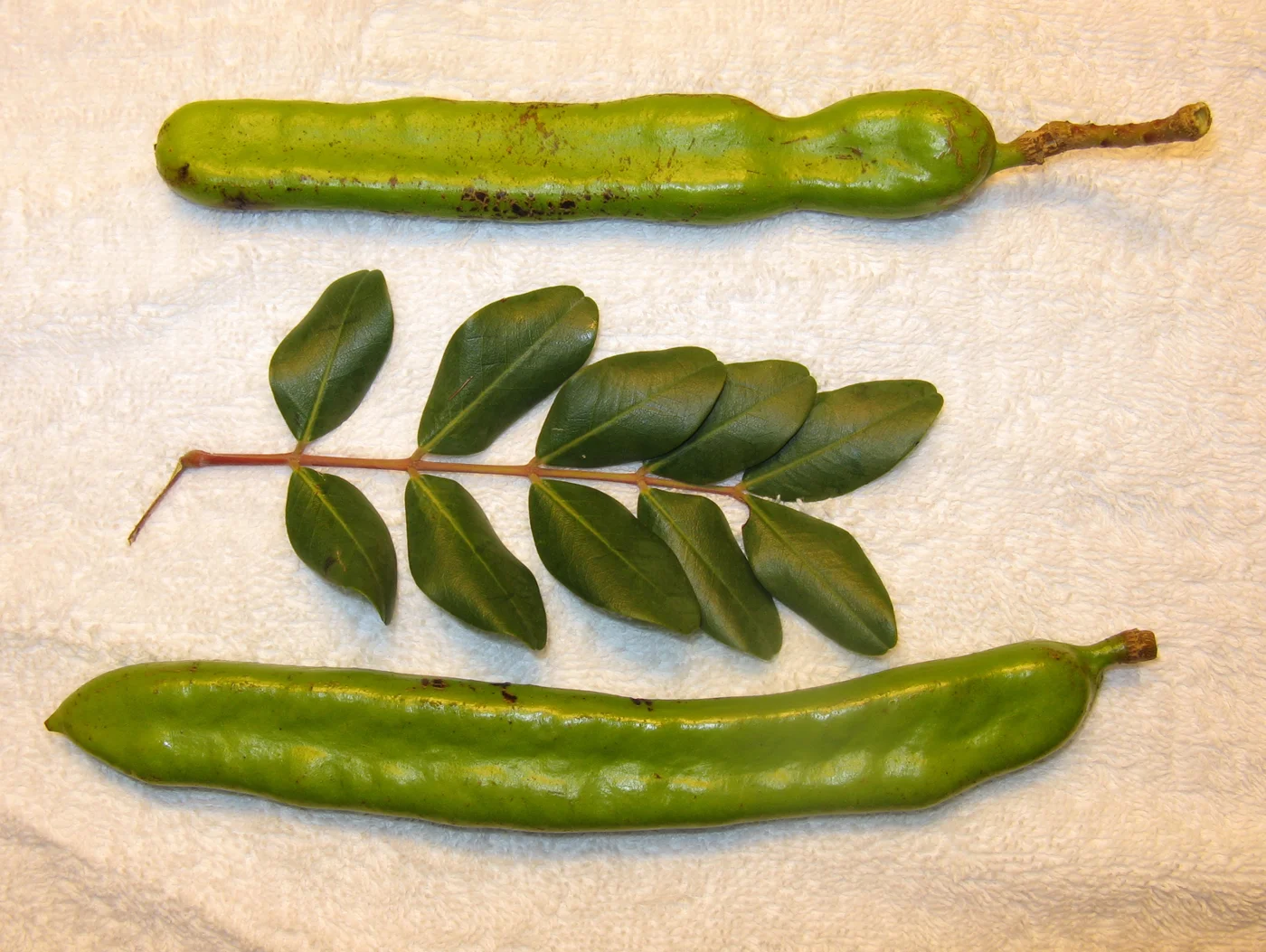
Ayrelli and gömeç occur in local field research on edible plants in Northern Cyprus. Hearing local names can reveal how culinary knowledge travels through a community. Do not use these words as a plant identification guide: the purpose here is to introduce names heard at markets or meals, not teach wild harvesting. Ask sellers about origin and preparation as well as the name.
Seasonality changes the menu
A plant dish previously offered by a restaurant may not be available daily or throughout the year. Ask about today’s vegetable dishes and follow the actual choices. If seeking ayrelli or gömeç, check directly whether the business has them that day. Understanding whether ingredients are fresh, dried or stored helps explain why two plates bearing the same name might differ.
A vegetable dish is not always vegan
Meat, stock, eggs or dairy may be used even when the main ingredient is a plant. Explain vegetarian or vegan requirements specifically. Kolokas is served cooked; this article is neither a raw-food nor a wild-plant collecting guide. For a first tasting, a small portion and the cook’s account of seasonal ingredients and family preferences can make a useful introduction.