An Adarivo guide prepared with AI assistance and checked against source records. Share corrections and update suggestions through the contact page.
What is molehiya?
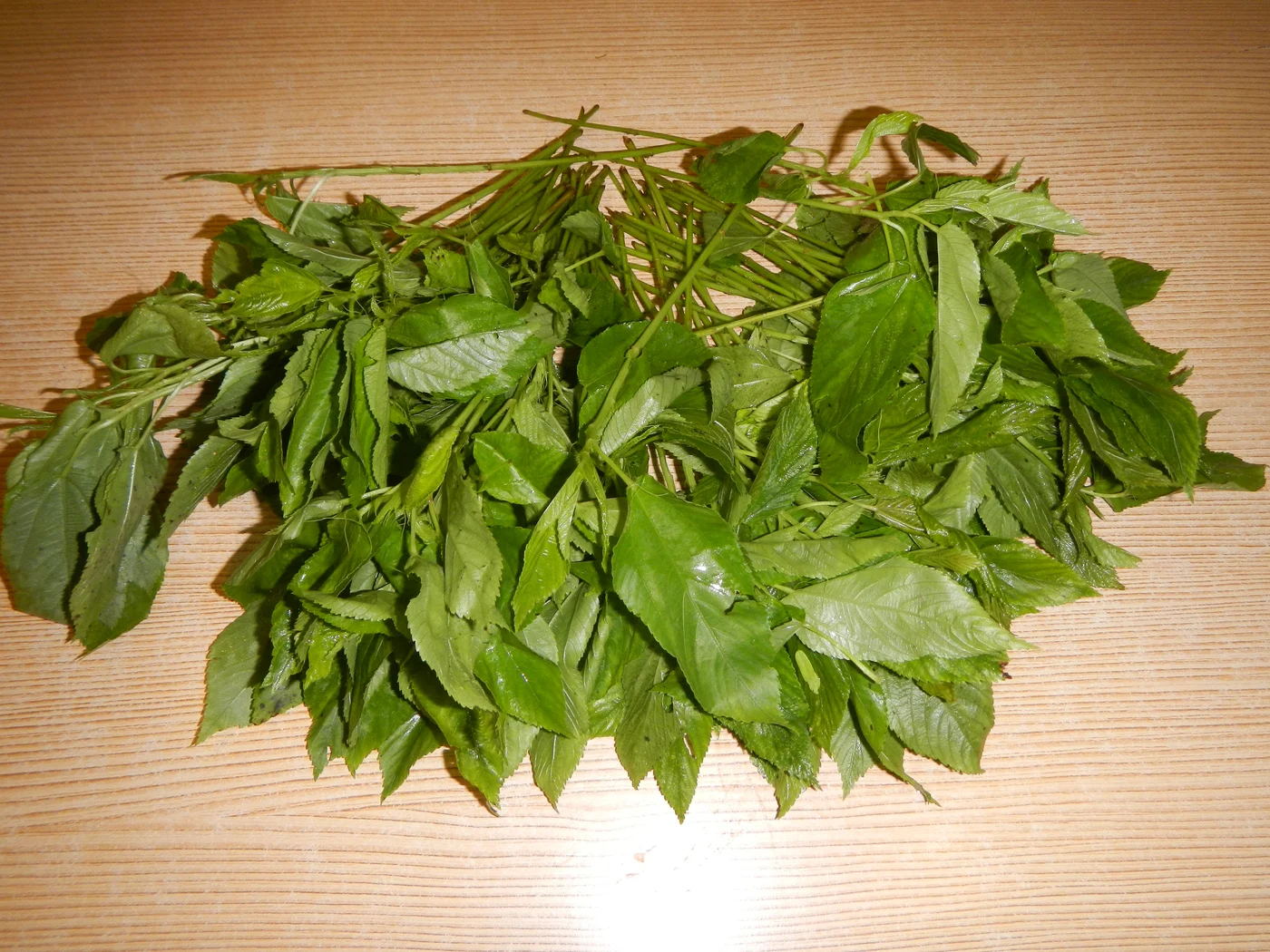
In Turkish Cypriot cooking, molehiya names both the leaves and the dish made from them. The plant is Corchorus olitorius. For visitors expecting kebabs or pastries, it offers a different introduction to island home cooking. It should not be described as a dish originating exclusively within Northern Cyprus: related leaf dishes belong to a wider Eastern Mediterranean food tradition.
Summer preparation, meals throughout the year
Traditionally, leaves are gathered and dried during summer, allowing them to be used at other times. A family conversation about molehiya may include sorting and storing the leaves as well as cooking. Sourness, consistency and choice of meat vary between households. Asking a host how their own family prepares it can make the meal a more personal encounter with Cypriot food culture.
With meat or without
Tomato, onion, garlic and lemon feature in descriptions of molehiya; versions with lamb or chicken exist alongside meat-free interpretations. The name alone does not establish that a restaurant dish is vegetarian. If you avoid meat, ask whether meat stock is used too. There is no single compulsory recipe here: ingredients and cooking preferences can differ by family or business.
Trying it for the first time
When looking for molehiya at a home-style restaurant, check whether it is being cooked that day rather than expecting every restaurant to offer it permanently. Asking about portion size and accompaniments helps with sharing. Notice the texture of the leaves, the acidity and the meat separately. Listening to the cook’s story adds more cultural understanding than simply taking a photograph.