An Adarivo guide prepared with AI assistance and checked against source records. Share corrections and update suggestions through the contact page.
A village is not a backdrop
A village visit can offer more than photographs of old houses. Pause in the square, ask local producers about their work and respect the boundary between public space and private life. A courtyard or workshop is not an exhibition to enter without permission. Treat village culture as a changing life today, not a frozen past.
Folk songs: names and interpretations
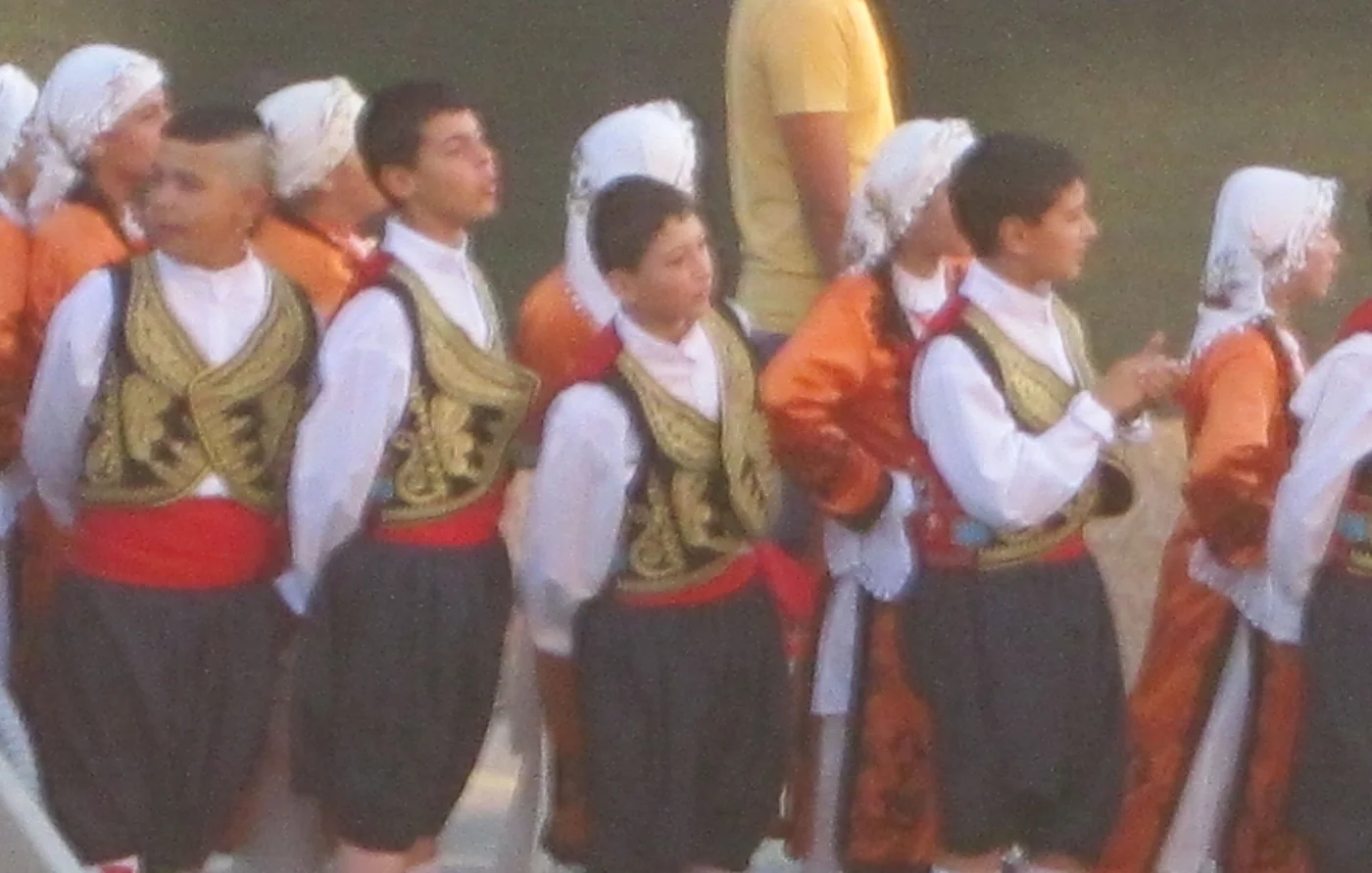
Cypriot musical culture brings historical influences together with local interpretation. Dillirga, Kebapçıların Şişi and Portakal Atışalım are song titles that can introduce the repertoire. Fincanlar and Münüsem also appear in work collecting and interpreting folk songs. A single-line or polyphonic arrangement, performed live or recorded, can produce different listening experiences. Knowing a title does not mean every version has identical words. Note the song and performer and compare interpretations to hear the variety of local pronunciation and musical choices.
Stories and family memory
HASDER’s work includes folk-song collecting and storytelling activities. Ask a family elder or event participant where they learned a story. Oral accounts may have several versions; do not present one as a definitive historical record. Obtain explicit permission before making an audio recording or publishing someone’s story.
From local produce to cultural festivals
Produce names connect settlements across the island’s cultural map: examples include the Güzelyurt Orange Festival, Lefke Date and Walnut festivals, Yeşilırmak Strawberry Festival and Tatlısu Carob Festival. Büyükkonuk Eco Days are associated with village life, local production and crafts. Such gatherings can bring producer stalls, food and handmade work together with music or dance in some programmes. A festival can offer more than a concert: it may help explain a product’s journey from field to kitchen. These names are cultural examples, not a current events calendar. Check each year’s date, venue and programme separately with its organiser.
Build your learning route
Choose three small goals: learn a craft technique’s name, hear how a dish is prepared and read a music or dance programme. Connecting museums, associations, workshops and festivals deepens understanding. Distinguish observations, stories you heard and verified information in your notes; avoid reducing the island’s shared heritage to single-origin claims.